Who dated Linda Keith?
Jimi Hendrix dated Linda Keith from ? until ?.
Keith Richards dated Linda Keith from until .
Brian Jones dated Linda Keith from until .
Linda Keith
Linda Keith (born 1946) is a former British fashion model, best known for her work for Vogue magazine during the 1960s as well as her involvement in the rock music scene during the Swinging Sixties.
Read more...Jimi Hendrix
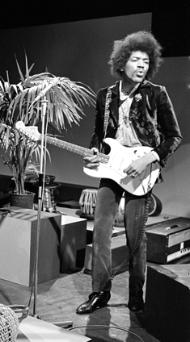
James Marshall Hendrix (nacido como Johnny Allen Hendrix; Seattle, Washington, 27 de noviembre de 1942-Notting Hill, Londres, 18 de septiembre de 1970), conocido como Jimi Hendrix, fue un guitarrista, cantante y compositor estadounidense. A pesar de que su carrera profesional solo duró siete años, es considerado uno de los músicos y guitarristas más influyentes de la historia del rock. El Salón de la Fama del Rock and Roll lo describe como «Indiscutiblemente uno de los músicos más grandes de la historia del rock».
Nacido en Seattle, Washington, en una diversa familia afroestadounidense que contaba además con raíces cheroquis, comenzó a tocar la guitarra a los 15 años. En 1961, se enroló en el ejército de los Estados Unidos como paracaidista en la 101.ª División Aerotransportada y se licenció al año siguiente. Poco después, se mudó a Clarksville, Tennessee, y comenzó a tocar en algunos conciertos conocidos como Chitlin' Circuit, donde consiguió un hueco tocando como músico de apoyo de The Isley Brothers y después para Little Richard, con quien continuó hasta mediados de 1965. Más adelante pasó a tocar con Curtis Knight and The Squires antes de mudarse a Inglaterra a finales de 1966 gracias a Linda Keith, quien además llamó la atención del bajista de The Animals Chas Chandler para convertirse en su mánager. En cuestión de meses, Hendrix ya había obtenido tres sencillos Top 10 en el Reino Unido con su banda The Jimi Hendrix Experience: «Hey Joe», «Purple Haze» y «The Wind Cries Mary». Saltó a la fama en Estados Unidos después de su actuación en el Monterey Pop Festival de 1967. Al año siguiente, en 1968, su tercer disco de estudio Electric Ladyland, llegó al primer puesto de la lista estadounidense de éxitos; fue su éxito comercial más grande y único número uno en dicho país. En su momento, fue el artista mejor pagado por su concierto en el Festival de Woodstock (1969) y el Festival de la Isla de Wight (1970), antes de su muerte por ingesta de barbitúricos el 18 de septiembre de 1970 a los 27 años de edad.
Las influencias musicales de Hendrix se inspiraron en el rock and roll y blues eléctrico de Estados Unidos. Es conocido por usar amplificadores con distorsión, alto volumen y ganancia, además de que fue un innovador en aprovecharse de los acoples generados por la guitarra. También ayudó a popularizar el uso del pedal con wah-wah y fue el primero en utilizar efectos phaser estereofónicos en sus grabaciones. Holly George-Warren de la revista Rolling Stone comentó: «Hendrix fue pionero en el uso del instrumento como una fuente de sonido electrónico. Los guitarristas anteriores a él habían experimentado con acoples y distorsión, pero Hendrix convirtió esos efectos y otros en un vocabulario controlado y fluido igual de personal que el blues con el que comenzó».
Hendrix recibió varios premios durante su vida y también de forma póstuma. En 1967, los lectores de Melody Maker le votaron como el mejor músico popular del año, en 1968, Rolling Stone lo nombró músico del año, Disc and Music Echo le distinguió con el título de mejor músico de 1969, mientras que, en 1970 Guitar Player le otorgó el voto de mejor guitarrista del año.
The Jimi Hendrix Experience ingresó al Salón de la Fama del Rock and Roll en 1992 y en el UK Music Hall of Fame en 2005. Rolling Stone posicionó sus tres discos Are You Experienced, Axis: Bold as Love y Electric Ladyland entre los 100 mejores discos de la historia y a él como el mejor guitarrista y sexto mejor artista de todos los tiempos.
Read more...Linda Keith
Keith Richards
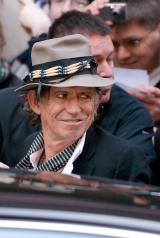
Keith Richards [kiθ ˈɹɪt͡ʃədz], né le à Dartford dans le Kent (Angleterre), est un musicien, auteur-compositeur, guitariste britannique, cofondateur, en 1962, avec Mick Jagger, Brian Jones et Ian Stewart, du groupe rock The Rolling Stones. Avec Mick Jagger, au sein d'un partenariat qu'ils ont baptisé The Glimmer Twins (« les jumeaux étincelants »), il est le compositeur de la grande majorité du répertoire original du groupe. Il est aussi acteur, ayant notamment joué le père de Jack Sparrow (interprété par Johnny Depp qui s'est dès le départ largement inspiré de lui pour son accoutrement) dans deux films de la série Pirates des Caraïbes.
Keith Richards a bâti sa notoriété sur son jeu de guitare caractéristique (utilisation de l'open tuning en sol, en retirant la 6e corde de l'instrument), qui a fait de lui un légendaire inventeur de riffs, sur le grand nombre de hits internationaux qu'il a composés avec Mick Jagger (14 chansons du duo font partie des 500 plus grandes chansons de tous les temps du magazine Rolling Stone, qui le classe par ailleurs 4e meilleur guitariste de tous les temps), tout comme sur sa vie mouvementée, ses nombreux ennuis avec la justice de plusieurs pays dus à son addiction à l'héroïne dans les années 1970. Il résume sa vie dans son autobiographie Life publiée en 2010, qui a connu un important succès en librairie et où il dit : « Je prendrai ma retraite quand j'aurai cassé ma pipe. »
Après soixante ans de carrière, Keith Richards continue à se produire sur scène, avec succès dans le monde entier et ne manifeste pas l'intention de mettre un terme à sa carrière. Depuis la mort de Charlie Watts en aout 2021, il est avec Mick Jagger le dernier membre fondateur des Rolling Stones encore au sein du groupe.
Read more...Linda Keith
Brian Jones
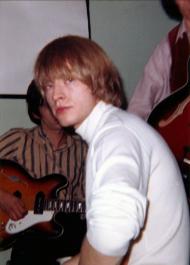
Lewis Brian Hopkin Jones (28 February 1942 – 3 July 1969) was an English musician and one of the founders of the Rolling Stones. Initially a slide guitarist, he went on to play electric guitar, sing backing vocals and play a wide variety of instruments on Rolling Stones recordings and in concerts.
After he founded the Rolling Stones as a British blues outfit in 1962 and gave the band its name, Jones's fellow band members Keith Richards and Mick Jagger began to take over the band's musical direction, especially after they became a successful songwriting team.
When Jones developed alcohol and drug problems, his performance in the studio became increasingly unreliable, leading to a diminished role within the band he had founded. In June 1969, the Rolling Stones dismissed Jones; guitarist Mick Taylor took his place in the group. Less than a month later, Jones died by drowning at the age of 27 in the swimming pool at his home at Cotchford Farm, East Sussex. His death was referenced in songs by many other pop bands, and Pete Townshend and Jim Morrison wrote poems about it. In 1989, he was inducted into the Rock and Roll Hall of Fame as a member of the Rolling Stones.
Read more...