Who dated Metrobius?
Sulla dated Metrobius from ? until ?.
Metrobius
Sulla
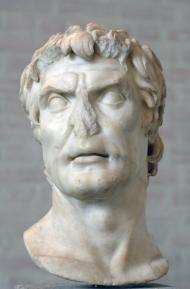
Lucio Cornelio Sila Félix (en latín, Lucius Cornelius Sulla Felix; 138 a. C. Roma, República romana - marzo de 78 a. C. Puteoli, República romana) fue un estadista y militar romano que alcanzó la fama por sus hazañas militares y ser el primer general de la república tardía en marchar sobre Roma y ganar una guerra civil. Tras purgar a sus adversarios, asumió la dictadura, buscó fortalecer el sistema republicano mediante reformas constitucionales y renunció a sus poderes plenipotenciarios una vez promulgadas.
Sila ejerció el consulado en dos ocasiones y restableció la dictadura. General de gran talento, cosechó victorias tanto frente a enemigos exteriores como en conflictos internos. Su ascenso al primer plano de la vida pública se produjo durante la guerra contra el rey númida Jugurta, a quien logró capturar gracias a la traición de los propios aliados del monarca, si bien su superior Cayo Mario se atribuyó el mérito de haber puesto fin a la contienda. Combatió después con éxito contra las tribus germánicas durante la guerra Cimbria y contra los aliados itálicos en la guerra Social, donde por su valor en la batalla de Nola le fue concedida la corona gramínea.
Sila fue elegido cónsul para el año 88 a. C. Sin embargo, surgió una disputa por el mando de la guerra contra Mitrídates del Ponto —concedido en un primer momento a Sila por el Senado, pero revocado en el marco de un acuerdo político entre Mario y el tribuno plebeyo Publio Sulpicio—, ante la cual Sila, en ejercicio del consulado, puso a sus tropas en marcha sobre Roma. Tras expulsar o dar muerte por la fuerza a Mario, Sulpicio y sus partidarios, partió con su ejército al término de su mandato consular para combatir a Mitrídates en Grecia. Durante su ausencia, Mario regresó junto a Lucio Cornelio Cinna —sucesor de Sila en el consulado— y ambos purgaron a sus adversarios, entre ellos al propio Sila, a quien declararon enemigo público. En Oriente, Sila aplastó a los ejércitos pónticos en las batallas de Queronea y Orcómeno, aunque ofreció a Mitrídates una paz generosa con el fin de poder regresar a Roma. Mario y Cinna habían fallecido para entonces, pero Sila derrotó a los herederos de su facción obteniendo una victoria decisiva a las puertas de Roma en la batalla de la Puerta Collina.
Tras hacerse con el control de la política romana por la fuerza, Sila restableció la figura del dictador, que había permanecido en desuso desde la segunda guerra púnica, más de un siglo atrás. Una vez investido como dictador vitalicio «para la redacción de leyes y el fortalecimiento de la república», o incluso antes de esto, inició las proscripciones para deshacerse de sus adversarios. Además, reformó las leyes constitucionales romanas para restaurar la primacía del Senado y recortar las atribuciones de los tribunos de la plebe. Renunció a la dictadura aproximadamente en 79 a. C. y ejerció un consulado ordinario durante el resto del año junto a Quinto Cecilio Metelo Pío. Concluido ese mandato, Sila se retiró a la vida privada y murió poco después, en 78 a. C. Su figura dejó una huella profunda en la siguiente generación de dirigentes —entre ellos Pompeyo y Julio César—, quienes siguieron su ejemplo de alcanzar el poder político por medio de la fuerza.
Read more...